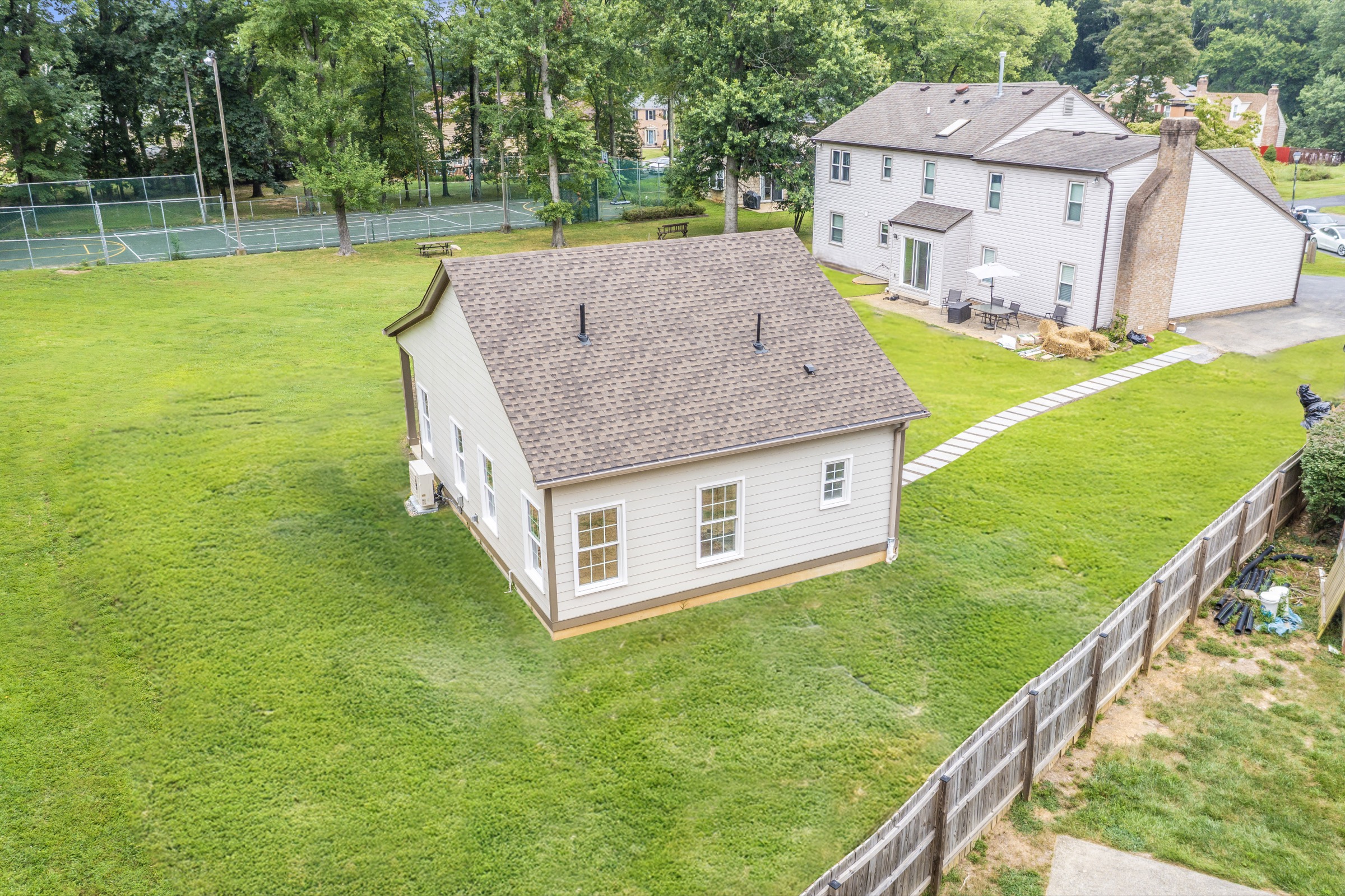
Big news for Virginia homeowners: the Commonwealth has officially joined a growing wave of states clearing the way for accessory dwelling units. On April 13, 2026, the Governor signed Senate Bill 531 into law, and the ADU landscape in Virginia will never be the same.
What Is SB 531?
SB 531 requires localities to include ADUs as a permitted accessory use in single-family residential zoning districts, requires the locality to issue a permit if the applicant meets certain requirements, and restricts the permit fee to $500 or less. That’s a major shift from the previous patchwork system, where local governments had wide discretion to restrict, delay, or block ADU projects through burdensome special-use permit requirements and inconsistent rules.
What the Law Specifically Does
The law prohibits localities from requiring setbacks for an ADU that are greater than the setback required for the primary dwelling or for other accessory structures on the lot, whichever is less. It also prohibits conditions for ADUs that are more restrictive than those for single-family dwellings in the same zoning area with regard to height, rear or side setbacks, lot size or coverage, or building frontage.
Perhaps most notably for families, the law eliminates rules that had forced family-relation requirements between ADU and primary dwelling occupants — meaning homeowners can rent to anyone they choose, not just relatives.
What About Size Limits?
This is an important nuance worth understanding. SB 531 does not establish a statewide square footage cap on ADUs. Instead, the law takes a parity approach: localities cannot impose size-related restrictions on ADUs that are more restrictive than what they apply to the primary home or other accessory structures on the same lot. So if your local zoning allows a certain lot coverage for a single-family home, your ADU has to be measured by that same standard — not a harsher one invented specifically to limit ADUs.
What this means in practice is that local size rules still apply until the law takes effect on July 1, 2027 — and even after that, jurisdictions will retain some ability to regulate size through their standard zoning frameworks, as long as they’re not singling out ADUs for tougher treatment. For homeowners in Northern Virginia, that means jurisdiction-specific caps like Arlington County’s 750 sq ft limit on detached ADUs remain in effect for now. Always check with your local planning department — or talk to our team — to understand exactly what’s allowed on your specific property.
When Does It Take Effect?
The law takes effect July 1, 2027. That gives homeowners, builders, and localities time to prepare — but it also means now is the ideal time to start planning your project, so you’re ready to move the moment the law kicks in.
Why This Matters
This legislation is part of a national movement to address the housing shortage by making it easier to build “gentle density” in existing neighborhoods. ADUs are one of the most cost-effective tools available to homeowners — generating rental income, housing aging parents or adult children, and increasing property values, all without requiring new land or major infrastructure.
For Virginia homeowners in Northern Virginia and the broader DMV region, this law removes some of the most frustrating barriers to ADU development. Communities like Arlington, Alexandria, and Fairfax County had already been moving toward more ADU-friendly policies — SB 531 now sets a statewide floor that every locality must meet.
What This Means for Makara ADU Clients
At Makara Builders, we’ve been closely tracking Virginia’s ADU legislation and have deep experience navigating the permitting landscape across Northern Virginia jurisdictions. Whether you’re exploring a detached backyard cottage, a garage conversion, or an attached in-law suite, our team is ready to help you understand your options — and take full advantage of Virginia’s new pro-ADU environment.
Can I Put an ADU on My Property?
In a matter of minutes we can determine if you can put a Makara Accessory Dwelling Unit on your property. Are you ready?