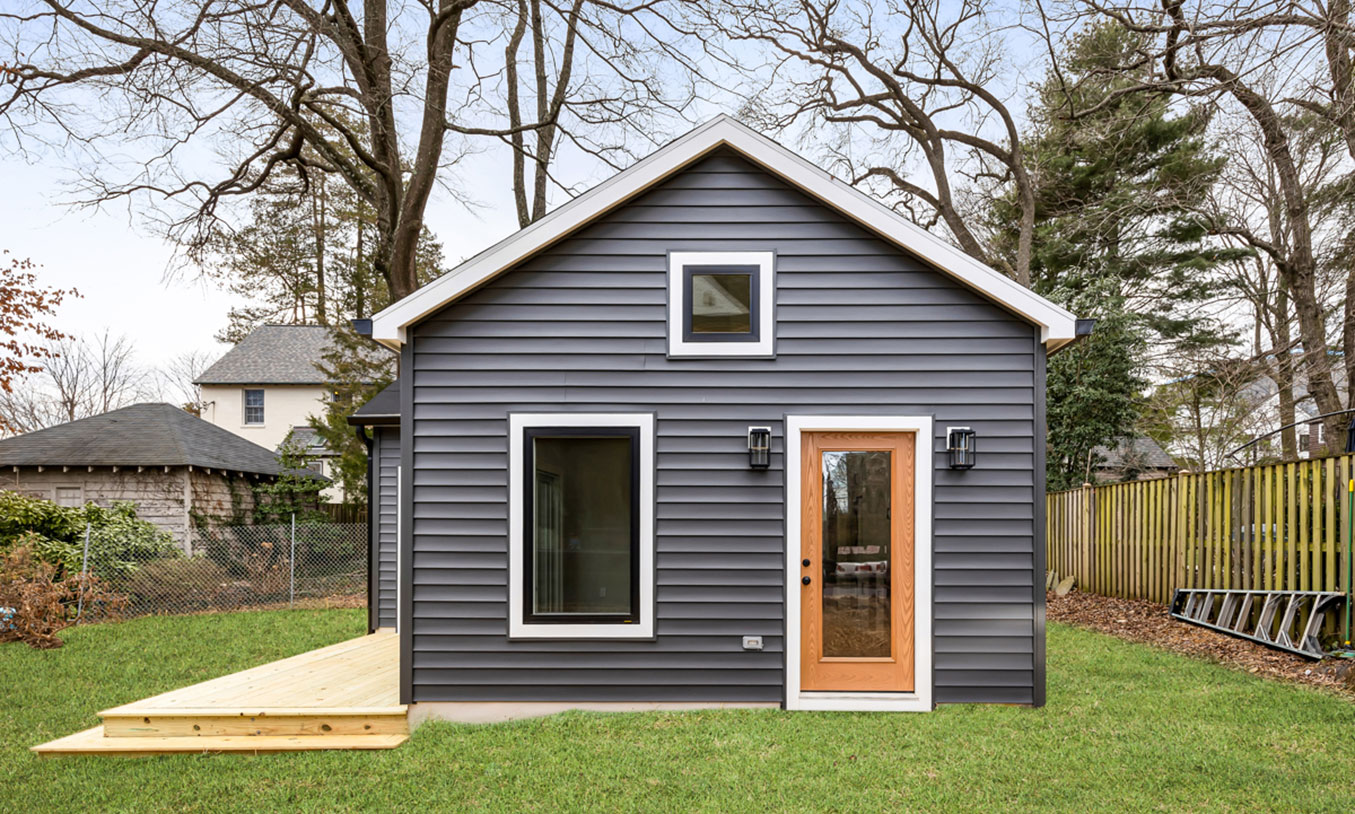
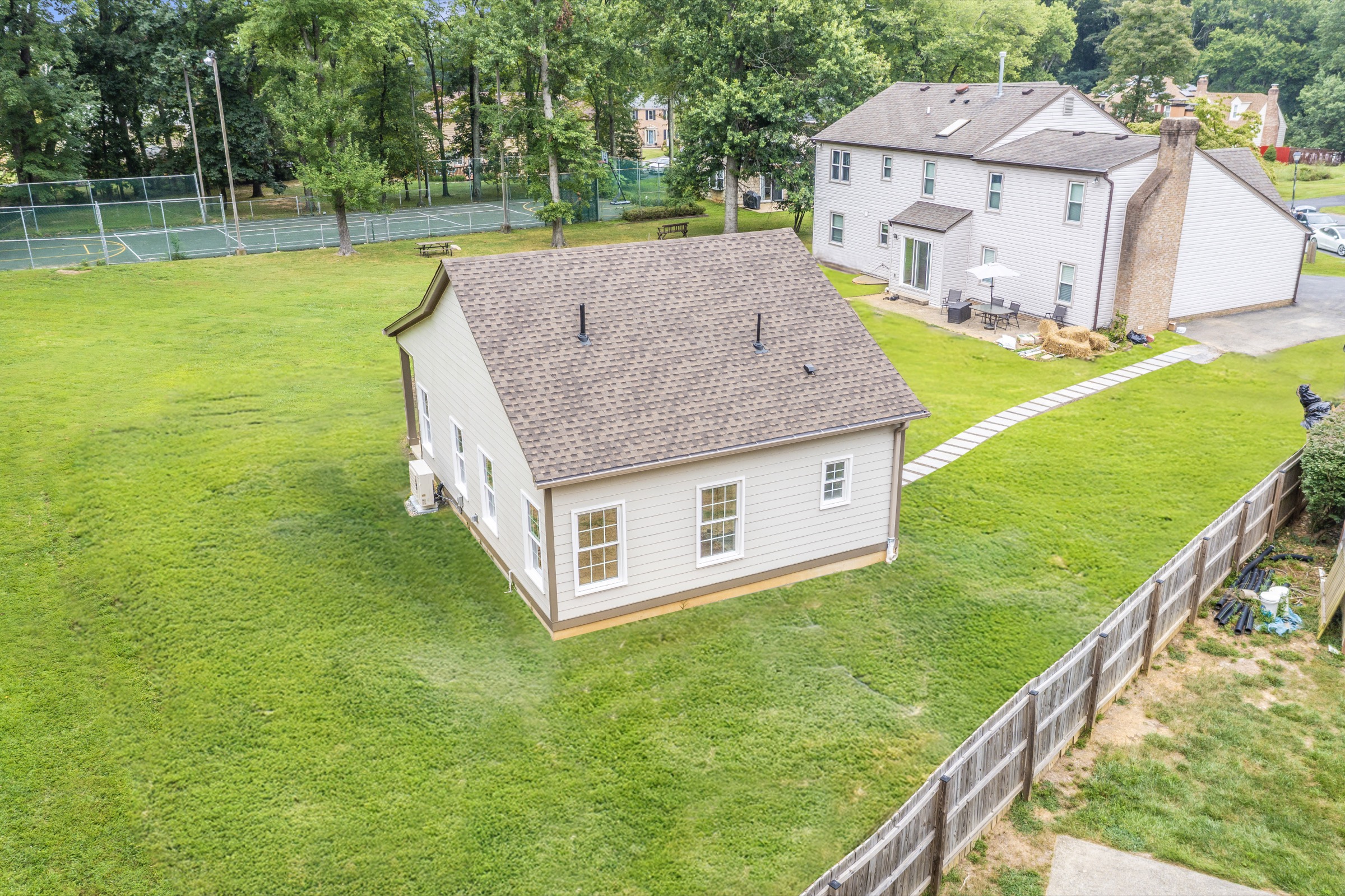
The Montgomery County Planning Board has introduced Zoning Text Amendment 26-06, a proposed update to the County’s zoning code that would significantly expand where accessory dwelling units (ADUs) can be built and remove several long-standing restrictions on their size and placement. The amendment was formally introduced to the County Council on April 21, 2026, and a public hearing is scheduled for Monday, June 8, 2026 at 1:30 PM.
Why Now?
The amendment is driven by Maryland House Bill 1466/Senate Bill 891, which passed during the 2025 legislative session. The state law establishes ADU development as a matter of statewide housing policy and requires all Maryland counties to adopt compliant local laws by October 1, 2026. While Montgomery County already has an ADU ordinance on the books, several of its provisions are out of step with the new state requirements—and ZTA 26-06 is the County’s response.
What Would Change?
The proposed amendment makes four major updates:
Where ADUs Are Allowed
Under current county code, ADUs are only permitted in Agricultural, Rural Residential, and Residential Detached zones. ZTA 26-06 would open ADU eligibility to every zone that allows a single-family detached dwelling—including townhouse, multi-family, and most commercial/residential mixed-use zones—essentially expanding by-right ADU access across nearly the entire county. Only industrial zones would remain excluded.
How ADU Size Is Calculated
The current code applies separate size caps to attached ADUs (1,200 sq. ft. maximum) and detached ADUs (the lesser of 50% of the principal home’s footprint, 10% of the lot, or 1,200 sq. ft.). ZTA 26-06 replaces both standards with a single, state-defined rule: an ADU may not exceed 75% of the size of the primary dwelling.
Setback Requirements for Detached ADUs
Existing rules require detached ADUs to meet the same side setbacks as the principal structure, a fixed 12-foot rear setback, and an escalating setback formula for structures wider than 24 feet. The proposed amendment eliminates these stricter standards and instead simply requires detached ADUs to meet the same setbacks that apply to any other accessory structure—generally more permissive.
Density and Parking
ADUs would be excluded from density calculations in all zones countywide (currently the exclusion only applies in Agricultural and Rural Residential zones). On parking, the county conducted a required parking study and elected to retain its existing one-space-per-ADU requirement, but with two notable modifications: properties that currently have no on-site parking would no longer be required to provide two spaces when adding an ADU—just one—and a new Hearing Examiner waiver would allow properties where lot size or shape makes parking physically impractical to seek an exemption.
What It Means for Montgomery County Homeowners
If adopted, ZTA 26-06 would be the most consequential update to Montgomery County’s ADU rules since 2019, when the county removed minimum lot size requirements and streamlined the licensing process. The county has permitted 222 ADUs since that reform took effect, with most activity concentrated in Bethesda/Chevy Chase, Kensington/Wheaton, and Silver Spring. The expanded zone eligibility under ZTA 26-06 would make ADUs a legal option for many more homeowners throughout the county—including in denser neighborhoods where they were previously prohibited.
About Makara ADU
Makara ADU is a design-build firm specializing in accessory dwelling units throughout Montgomery County and the DC metro region. We have tremendous experience building ADUs in the county and we’re closely following ZTA 26-06 and its implications to our clients and for all Montgomery County homeowners. Whether you’re exploring a detached backyard cottage, a garage conversion, or an attached in-law suite, our team is ready to help you understand your options — and take full advantage of Montgomery County’s very pro-ADU environment.
Can I Put an ADU on My Property?
In a matter of minutes we can determine if you can put a Makara Accessory Dwelling Unit on your property. Are you ready?